The highlights of August’s AI trends are new bid strategies, a strong earnings quarter, an image model worth testing, a new AI agent, and an early look at holiday shopping behavior. Here are the five most impactful stories for online advertisers.
1. OpenAI’s New “Maximize Results” Bid Strategy Won’t Guarantee a CPA
Source: OpenAI Help Center | August 13, 2026
OpenAI added a new Maximize Results bid strategy to ChatGPT Ads Manager, letting the platform automatically set and adjust bids on an advertiser’s behalf to pursue whichever campaign goal they’ve selected. It’s now the default bid strategy for new, qualifying ad groups, meaning advertisers may be opted into automated bidding without taking any action themselves. OpenAI’s own documentation is direct about what the strategy doesn’t do: it does not guarantee delivery against a specific CPA, CPC, or ROAS target, only that it will optimize spend toward the stated goal within budget. Read the fine print before you turn it loose on a live account.
| JumpFly Takeaway |
| Another month, another Google Ads…I mean ChatGPT Ads feature. OpenAI has a proven model in Google Ads, and it seems they continue to try to mirror elements of that platform, which is not a bad thing. Maximize Results is the latest one. This strategy doesn’t guarantee a CPA, a CPC, or a ROAS; it just chases volume within your budget. So basically, it’s similar to Maximize Conversions in Google Ads. Test it against a manually managed ad group for a few weeks before you trust it as the default, especially since it’s now selected automatically for new ad groups whether you noticed or not. Watch daily spend, watch your click volume, and watch your conversions closely during that test window, because bidding without a performance guarantee can drift in either direction before anyone catches it. If it’s underperforming after a few weeks, turn it off. Default doesn’t mean required. |
2. Pinterest’s Second Straight Quarter of AI-Powered Growth Comes With a Reason Why
Source: CNBC | August 4, 2026

Pinterest posted Q2 2026 revenue growth of 18% in its largest market (UCAN), with monthly active users climbing to 640 million. That’s its 12th consecutive quarter of record user growth, and the company issued Q3 guidance of 13 to 15% growth on top of it. Management pointed to Performance+, its automated campaign product now absorbing measurement capabilities from newly acquired tvScientific, and a new AI Assistant designed to move users from browsing to research, as the drivers behind the momentum. The most advertiser-relevant number in the release: 96% of text-based searches on Pinterest are unbranded, meaning most of what people search for isn’t a company name; it’s a category, a style, or an idea.
| JumpFly Takeaway |
| Pinterest keeps surprising me. Get the right AI tools plugged into the right plan, and this platform can add real incremental growth to a business, not just brand awareness. That 96% unbranded search stat is the one to build a strategy around: if almost nobody searching on Pinterest is typing a brand name, the platform is a discovery surface for categories you don’t yet own, not a place to defend ones you do. I tested this on a sample size of one: my wife is on Pinterest often, so I asked her what she actually searches for. Every single one was unbranded: an idea, a style, a project, never a company name. Small sample, but it matches the data, and it points to what Pinterest is actually good for: idea generation, and being there to answer the question someone’s still forming in their head. That’s exactly where the AI part comes in. Performance+ and the new AI Assistant are built to catch that intent while it’s still vague, before it’s a branded search, and turn it into something an advertiser can target and measure. Shift budget toward broad category and interest targeting inside Performance+ instead of treating Pinterest like a smaller version of your branded search campaigns, and let the AI connect that early, fuzzy intent to your product. If you have the budget, give Pinterest a try this Q4; I know my team can help get this off the ground if needed. |
3. Grok Imagine Image 2.0: The Layers Feature That Makes Ad Creative Easier To Iterate On
Source: xAI | August 7, 2026
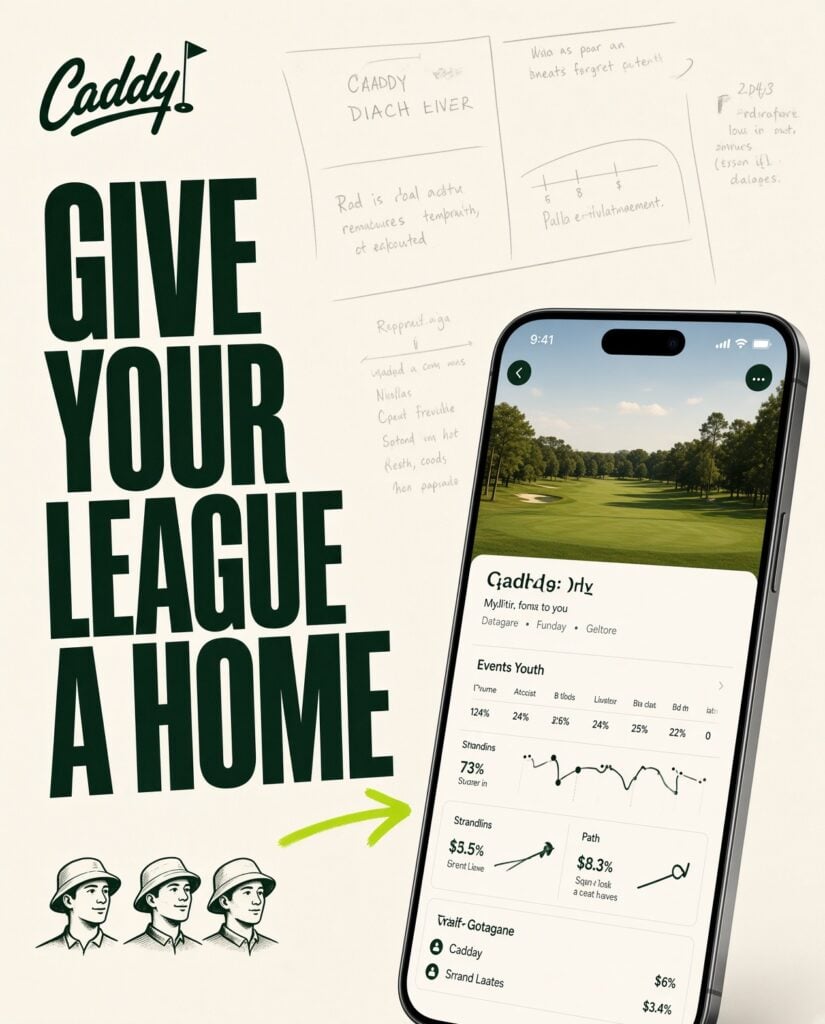
On August 7, xAI released Grok Imagine Image 2.0, its latest image generation and editing model, positioned as a designer-grade tool that plans typography and layout the way a designer would. xAI claims a #2 world ranking on Arena leaderboards for both text-to-image generation and editing. The model supports multi-reference editing across up to five images, nine aspect ratios, and 15 built-in templates covering product shots and merchandise design. The feature that matters most for ad creative work: it generates each element of a design, including the headline, background, product shot, and icons, as its own separate, editable piece instead of one flattened image.
| JumpFly Takeaway |
| The layers are what stood out to me. The image attached is for a fun, personal project just to test this out. Getting each element back as its own editable piece means I can go in and adjust just the headline or just the phone mockup without regenerating the whole image. That’s a real time saver for anyone doing ad creative, where you’re rarely happy with everything on the first pass. Based on my testing, Grok Imagine Image 2.0 is a genuinely good tool, but there’s one thing worth checking closely before you rely on it: the text. Notice in my one example that the background text and text within the phone are not even a language. The concept, though, was good, so not the end of the world, as I can clean that up. My go-to for ad images is still ChatGPT Images 2.0, mostly because I trust its text rendering more in one shot, but Grok’s layers are worth having in the toolkit, especially for iterative work where swapping one piece without touching the rest saves real time. If you’re evaluating image models for ad creative, test a few on your own product and see which fits how your team actually works. The right tool depends more on your workflow than any leaderboard ranking. |
4. xAI’s Grok Bot Will Manage Your Paid Media Autonomously, but Will It Really?
Source: xAI | beta launch ~August 11-12, 2026
xAI launched Grok Bot in early beta, an “always-on” AI agent that gets its own dedicated cloud computer and can log into an advertiser’s tools and websites to complete tasks independently, 24/7, even when the user’s own device is offline. xAI’s own product page lists paid media management among the flagship use cases, alongside sales prospecting and account management, with bots able to save a demonstrated task as a repeatable routine and run it going forward without further input. Pricing runs through Cursor and SuperGrok tiers, from $120 to $300 per seat per month, and the pitch is minimal setup: show it once, and it handles the rest. xAI doesn’t say much about approval workflows, audit trails, or guardrails beyond a general reference to “user control.”
| JumpFly Takeaway |
| Trust but verify. I keep coming back to that phrase in this blog series, and it applies directly here. An AI agent that logs into your ad accounts and manages paid media isn’t something I’d hand my budget to. xAI’s page being thin on guardrails is the part to be cautious about, not the AI itself. I do think a tool like this can genuinely help with campaign management: pulling data, spotting patterns, doing the grunt work faster than any person could. I mean, outside of paid management, I will definitely be using Grok Bot for other initiatives (I’d like to introduce you all to my Fantasy Football GM for a season). Where I draw the line is letting it be the manager instead of helping the manager. JumpFly’s own internal AI tool works the same way. It helps us pull data points quickly, build reports, and surface what needs attention, but it is not making the final call on your account. Spreadsheets weren’t any different decades ago. They changed how the work got done, and people still checked numbers by hand while they learned to trust the tool. That’s how I use AI now. I would be crazy not to use something this capable, but I still verify what it gives me before I decide my course of action. |
5. 2026 Holiday Shoppers Aren’t Just Trying AI, They’re Relying on It
Source: Google I/O 2026 keynote | May 19, 2026; eMarketer/Similarweb | May 6, 2026
At Google I/O 2026, Google disclosed that AI Overviews has surpassed 2.5 billion monthly active users and that AI Mode, introduced roughly a year earlier, has already crossed one billion monthly users, figures Google repeated again in a June follow-up post. Heading into the 2026 holiday season, eMarketer and Similarweb data show 37.1% of consumers plan to lean on AI more for holiday shopping this year, primarily for product comparison, price hunting, and gift idea generation. Perhaps most notable for advertisers: ChatGPT’s conversion rate on shopping-related queries has climbed to 7.1%, nearly matching paid search’s 7.8%, a gap that was far wider a year ago. Consumers are also starting their holiday research earlier and comparing more retailers than in past years, stretching the window between first browse and final purchase.
| JumpFly Takeaway |
| Crunch time, in my opinion, has already started. Skip past the billions of users for a second. The number that matters is the 7.1% conversion rate on ChatGPT shopping queries, close enough to paid search’s 7.8% to indicate this is a channel converting today, not one to watch for later. I’ve already started my own holiday shopping this year, and I’m using AI to do it, mostly because it gathers information faster than I can dig through ten browser tabs myself. If I’m doing that already, plenty of your customers are too. That means product visibility inside AI platforms needs a real budget line this quarter, not a wait-and-see experiment. Clean, detailed product feed data and accurate pricing need to be in place now, not scrambled together in November. Shoppers are also starting research earlier and comparing more retailers than in past years, so the window between first browse and purchase is longer, which argues for a longer nurture sequence instead of dumping spend into one promotional peak. AI isn’t going away, and the accounts that build a strategy to be seen inside it now, while there’s still time before Q4 budgets lock, are the ones that benefit when the crunch fully hits. |
Looking Ahead
AI isn’t going away (one of my recent 10 catch phrases), and it’s already good enough to change how you find customers, build creative, and run campaigns. It just isn’t good enough yet to run unsupervised on highly sensitive projects, but it can for smaller, more defined workflows. OpenAI’s bid strategy won’t guarantee a CPA even as it becomes the default. Grok Bot will manage your paid media if you let it, with little built-in oversight. Grok Imagine 2.0’s layers are a real time saver, but the text still needs a second look. None of that means slow down. Pinterest’s growth and the holiday shopping data both say the opposite: the crunch has already started, and the accounts that do well this fall will be the ones that built a strategy to be seen now.
Questions about how these AI trends affect your campaigns? Let’s talk.
For more AI insights, see our previous post, AI in Online Advertising: 5 Key Trends From July 2026, and others in this series.